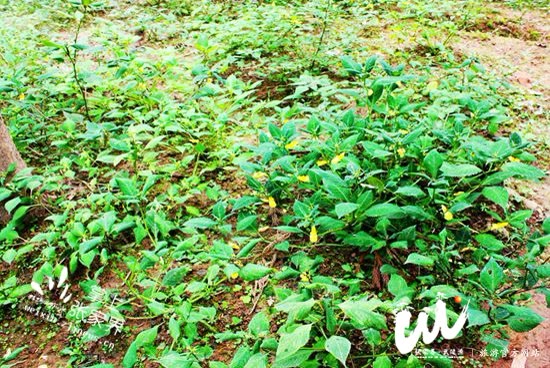
Lobster Flowers Transplanted to Golden Whip Stream
On January 5, we learned from the Zhangjiajie State-owned Forest Farm in Wulingyuan District that more than 15,000 wild lobster flowers were transplanted to the Jinbianxi and Huaxiyu cultivation bases for centralized breeding.
Lobster flower is a unique plant in Wulingyuan, Zhangjiajie, China. It is widely distributed in shady wetlands such as Jinbian Creek, Shedaogou, Shili Gallery, and Xihai. It is also widely distributed in Tianmen Mountain, Tianluo Mountain, Tianping Mountain, Huangshi Village, Baofengshanbaozijie Forest Farm, etc. in Zhangjiajie, adding a lot of color to the scenic spots. It is understood that the lobster flower is one of the oldest flowers. It has kept its shape unchanged for hundreds of millions of years. It is named after the shape of a lobster in the sea and the combination of petals that resembles a shrimp. As early as 100 million years ago during the Cretaceous period of the Mesozoic Era, lobster flowers were growing vigorously on the earth. Later, the activity of continental glaciers in the Quaternary Period caused the lobster flower to become extinct in most areas. Therefore, the lobster flower is known as the "living plant fossil". Lobster flowers are brightly colored, ranging from pink, purple, light yellow, white and other colors, and have become one of the focuses of tourists and photography enthusiasts.
Collecting Wild Seedlings for Centralized Breeding
In order to cultivate, propagate and protect lobster flowers, since last year, Zhangjiajie State-owned Forest Farm has organized technicians to collect wild lobster flowers in various areas of the forest farm, and transplanted more than 15,000 lobster flower seedlings collected to the breeding and cultivation bases in Jinbian Creek and Huaxi Valley, with the base size reaching 4 acres.